Source Cold Rolled Wire Forming Spring for Auto, Furniture, Industrial
Compare 30 cold rolled wire forming spring options from verified suppliers. Buyers can evaluate specifications like load type, material, and customization for industrial, furniture, and automotive applications. Explore various shapes including coil, cylinder, and flat designs with cold roll or hot roll production processes to meet specific engineering requirements.
Key considerations
Products List


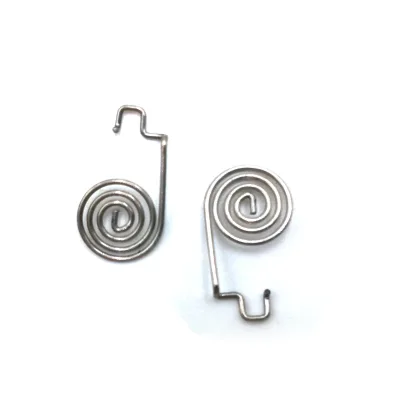


Comprehensive Sourcing Guide
Cold Rolled Wire Forming Spring Sourcing Guide
Procuring cold rolled wire forming springs requires a precise understanding of how manufacturing processes influence mechanical performance and dimensional consistency. This specific production method involves shaping wire through rollers rather than traditional coiling, which often results in unique stress distributions and surface finishes. Buyers must evaluate whether this technique aligns with their load requirements, particularly for applications demanding high fatigue resistance or specific torsional characteristics. The choice between cold rolled and other forming methods directly impacts the spring's ability to handle compression, extension, or torsion loads in industrial and automotive environments.
Understanding the material composition is equally critical, as steel and stainless steel variants offer distinct advantages regarding corrosion resistance and tensile strength. The sourcing guide emphasizes verifying the exact alloy grade and heat treatment status, as these factors determine the spring's longevity under cyclic loading. Additionally, customization options such as non-circular shapes or specific hook designs for tension springs require close collaboration with suppliers to ensure tooling compatibility. Buyers should prioritize suppliers who demonstrate expertise in handling diverse wire diameters and free heights to meet exact engineering specifications.
Product Scope and Observed Listing Signals
The market for cold rolled wire forming springs encompasses a wide variety of configurations, including compression, extension, and torsion types. Observed listings indicate that manufacturers offer products ranging from small coil springs to large diameter variants, catering to diverse industrial needs. The presence of models like MF204 and MF198 suggests a standardized approach to certain spring geometries, while custom-made options allow for tailored solutions. Buyers should note that shape variations, such as cylindrical, flat, or non-circular forms, are available to suit specific mechanical constraints and space limitations in assembly designs.
Functional attributes observed in listings include measurement, restoration, drive, buffer, and phonation roles, highlighting the versatility of these components. Usage sectors identified range from industrial machinery and furniture to automotive and motorcycle applications, indicating broad market relevance. The availability of customization in packing, such as carton pallets or custom packaging, facilitates logistics and inventory management for large-scale procurement. Buyers must verify that the observed product attributes, such as wire diameter or length, match their technical requirements, as generic listings may not reflect specific engineering needs.
Technical Specifications to Verify
Verifying technical specifications is paramount to ensuring that cold rolled wire forming springs perform as intended in final assemblies. Key parameters to confirm include wire diameter, free height, and outer diameter, which directly influence the spring rate and deflection characteristics. For instance, specific listings may cite a wire diameter of 1.5mm and a length of 55mm, but buyers must ensure these dimensions are adjustable or available in their required range. It is essential to request detailed drawings or CAD models from suppliers to validate that the spring's geometry meets the precise tolerances required for the application.
Surface treatment and production process details also require careful scrutiny, as they affect durability and environmental resistance. Buyers should inquire about surface treatments such as plating or coating, which can mitigate corrosion in harsh operating conditions. The distinction between cold roll and hot roll processes should be clarified, as each method imparts different residual stresses and mechanical properties. Additionally, verifying the load type, whether compression, extension, or torsion, ensures that the spring is selected for the correct force application, preventing premature failure or inadequate performance.
Compliance and Safety Documentation
Compliance with industry standards and safety regulations is a non-negotiable aspect of sourcing cold rolled wire forming springs. Buyers should request documentation that confirms adherence to relevant quality management systems, such as ISO 9001:2015, which indicates a robust framework for consistent manufacturing practices. While specific certifications like SGS may be mentioned in listings, it is crucial to verify the scope of these certifications to ensure they cover the specific spring models and materials being procured. This verification process helps mitigate risks associated with substandard materials or inconsistent production quality.
Material safety and environmental compliance are also critical, particularly for applications in automotive or consumer goods sectors. Buyers must ensure that the steel or stainless steel used does not contain restricted substances and meets environmental directives applicable in their region. Documentation should include material test reports that verify chemical composition and mechanical properties, such as tensile strength and hardness. By maintaining a rigorous documentation review process, buyers can ensure that their supply chain remains compliant with evolving regulatory requirements and industry best practices.
Cost Drivers and Commercial Terms
Several factors influence the cost of cold rolled wire forming springs, including material prices, production complexity, and order volume. The choice of material, such as standard steel versus stainless steel, significantly impacts the base cost, with stainless steel typically commanding a premium due to its corrosion-resistant properties. Additionally, customizations such as non-standard shapes, specific surface treatments, or unique packaging requirements can increase manufacturing costs. Buyers should analyze these variables to understand the total cost of ownership, rather than focusing solely on the unit price.
Commercial terms, including minimum order quantities (MOQ) and payment conditions, play a crucial role in procurement planning. Listings may indicate MOQs ranging from small quantities to millions of units, allowing flexibility for both prototype development and mass production. Buyers should negotiate terms that align with their production schedules and cash flow requirements, considering factors such as lead times and shipping costs. Understanding the cost structure and commercial flexibility enables buyers to make informed decisions that balance cost efficiency with supply chain reliability.
Supplier Qualification and Quality Control
Evaluating supplier qualifications is essential to ensuring a reliable supply of cold rolled wire forming springs. Buyers should assess suppliers based on their experience, technical capabilities, and quality control processes. Suppliers with extensive experience, such as those claiming over 25 years in the industry, may offer greater reliability and expertise in handling complex spring designs. It is important to verify their production facilities, including equipment for cold rolling and heat treatment, to ensure they can meet specific technical requirements.
Quality control measures should be clearly defined and agreed upon before placing orders. Buyers should request information on inspection protocols, including incoming material checks, in-process monitoring, and final product testing. Suppliers should provide certificates of conformity and test reports for each batch, ensuring consistency in mechanical properties and dimensions. Establishing a robust quality assurance framework helps minimize the risk of defects and ensures that the springs perform reliably in their intended applications.
Long-Term Procurement Checks
Long-term procurement success depends on continuous monitoring of supplier performance and market dynamics. Buyers should establish key performance indicators (KPIs) to track delivery reliability, quality consistency, and responsiveness to issues. Regular audits and performance reviews help identify potential risks and opportunities for improvement in the supply chain. By maintaining open communication with suppliers, buyers can address any emerging challenges proactively and ensure a stable supply of cold rolled wire forming springs.
Staying informed about industry trends and technological advancements is also crucial for long-term procurement strategies. Buyers should monitor developments in materials science and manufacturing processes that could impact spring performance or cost. Engaging with suppliers to explore new technologies or materials can lead to innovations that enhance product quality or reduce costs. By adopting a proactive approach to supplier management and market analysis, buyers can secure a competitive advantage and ensure the long-term success of their procurement initiatives.
FAQs
What materials are used for cold rolled wire forming springs?
These springs are primarily manufactured from steel and stainless steel. The cold roll production process ensures high precision and durability for industrial applications. Buyers can request specific material grades to meet their functional requirements, ensuring the spring performs reliably under compression, torsion, or extension loads in various environments.
Can cold rolled wire forming springs be customized?
Yes, customization is available for these springs. Manufacturers offer custom-made packing and allow buyers to specify wire diameter, free height, and surface treatment. Models like MF204 and MF198 demonstrate the ability to produce specific designs. This flexibility supports unique industrial, automotive, and furniture applications requiring precise mechanical performance.
What are the common load types for these springs?
Common load types include compression, torsion, extension, and bend. These springs serve multiple functions such as measurement, restoration, and phonation. The design varies by shape, including coil, cylinder, flat, and wire forms. This versatility allows them to be integrated into diverse machinery, home appliances, and motorcycle components effectively.
What is the typical MOQ for these springs?
The minimum order quantity ranges from 1 to 10,000,000 units. This wide range accommodates both small prototype orders and large-scale industrial production needs. Buyers can select suppliers based on their capacity to handle specific volume requirements. The flexibility in MOQ supports various business models, from small businesses to large manufacturing enterprises.
Where are these springs typically manufactured?
These springs are typically manufactured in China, with specific origins like Yangzhou, Jiangsu. The production utilizes cold roll and hot roll processes depending on the design. Suppliers often hold standards like SGS certification. This geographic concentration provides access to a robust supply chain and competitive pricing for global buyers seeking reliable spring components.
What packaging options are available for these springs?
Packaging options include carton, carton pallet, and custom-made solutions. The choice depends on the order size and shipping requirements. Custom packaging helps protect the springs during transit and storage. Buyers can specify their preferred packaging method to ensure the products arrive in optimal condition, maintaining their structural integrity and performance characteristics.